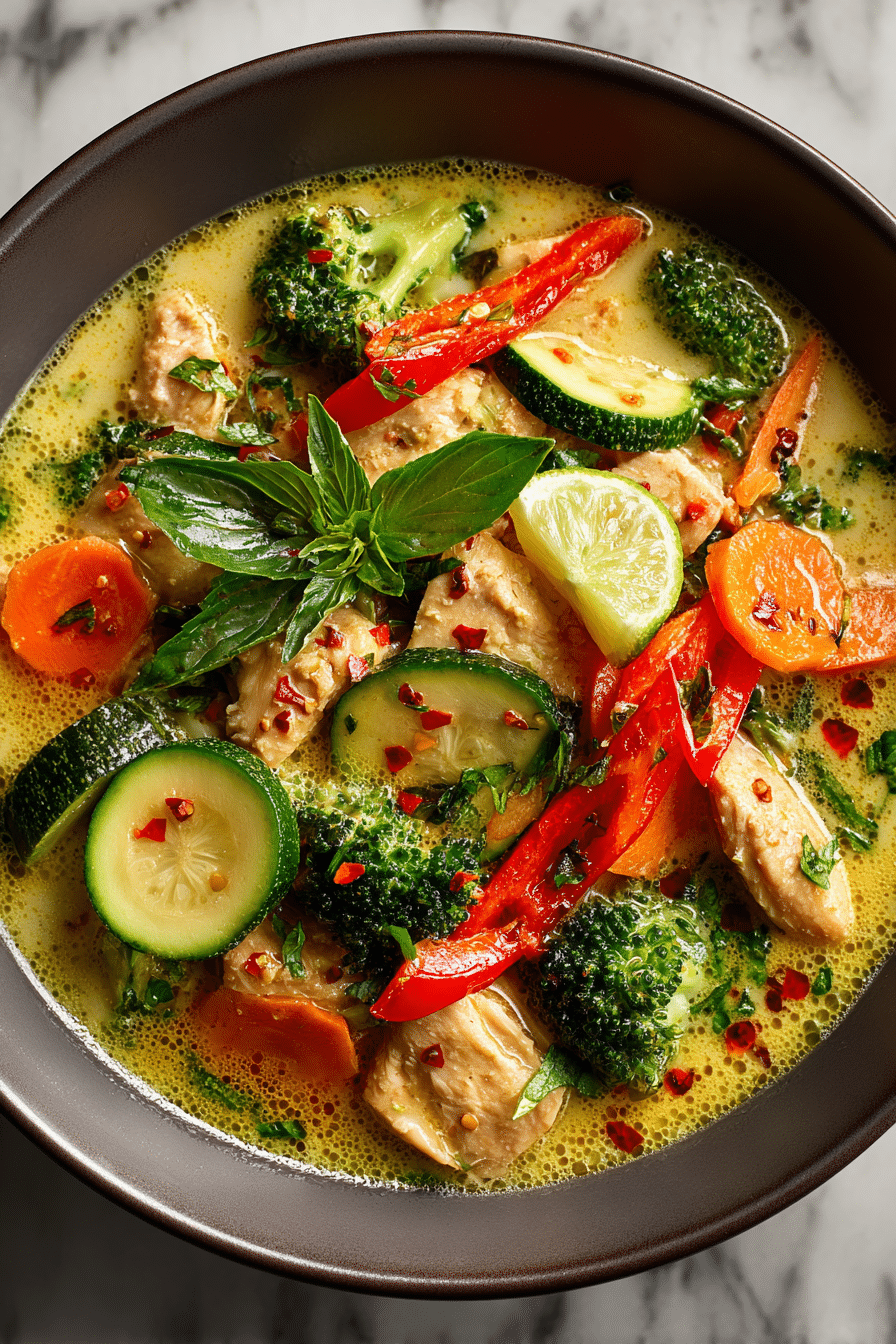
There’s an undeniable magic to a well-made Thai chicken curry. It’s that perfect symphony of creamy coconut milk, vibrant spices, and tender chicken that instantly transports you to the bustling streets and fragrant kitchens of Thailand. While many might relegate such an exquisite dish to restaurant menus or takeout orders, we’re here to tell you that crafting a truly exceptional Thai chicken curry at home is not only achievable but also surprisingly forgiving. Say goodbye to culinary intimidation and hello to a bowl of rich, aromatic goodness that feels like a warm, flavorful hug.
For years, enthusiasts and home cooks alike have been perfecting their own versions of this beloved classic. What often emerges is a recipe that is both intensely flavorful and wonderfully adaptable. This particular approach to Thai chicken curry celebrates that adaptability, encouraging you to embrace your inner chef and tweak it to your heart's content. It’s a dish where the potatoes absorb the luscious sauce to perfection, the chicken remains succulent, and every spoonful delivers a complex yet harmonized burst of flavor.
Why Thai Chicken Curry is Your Next Go-To Meal
In a world where quick and easy often means compromising on flavor, Thai chicken curry stands out as a delicious exception. It effortlessly blends straightforward ingredients with layers of flavor that feel both exotic and welcoming. This isn't a meal that demands hours in the kitchen or a mastery of obscure techniques. In fact, many versions can be ready in under 30 minutes, making it an ideal choice for busy weeknights when you crave something special without the fuss.
Imagine coming home to the intoxicating aroma of ginger, lemongrass, and rich coconut milk simmering on your stove. This comfort food sensation transcends seasons, offering a cozy warmth on a chilly evening and a refreshing zest even in warmer months. The beauty of homemade Thai chicken curry lies in your control over the ingredients and spice levels. You can dial up the heat, add extra vegetables, or even choose your preferred type of chicken. It’s a versatile dish that truly becomes your own, outshining any takeout option with its freshness and personalized touch. For a deeper dive into how quickly you can achieve this culinary feat, check out our guide on Easy 30-Minute Thai Chicken Curry: Creamy, Fragrant & Better Than Takeout.
The Forgiving Nature of a Flavorful Feast
One of the most appealing aspects of this Thai chicken curry recipe is its incredible forgiveness. Did you add a little too much curry paste? Balance it with extra coconut milk or a touch of sweetness. Don't have fresh lemongrass? While ideal, the dish will still be amazing without it, relying on the robust flavors of the curry paste and ginger. This recipe encourages experimentation, inviting you to use what you have on hand and adapt it to your taste buds. It’s a testament to the power of bold flavors that can withstand minor adjustments while still delivering an outstanding result.
The Anatomy of a Perfect Thai Chicken Curry: Key Ingredients & Their Role
Every ingredient in a traditional Thai chicken curry contributes something special, creating a balanced and multi-dimensional profile. To achieve the best results, focusing on high-quality components is key. Here's a breakdown of the essentials:
- High-Quality Coconut Milk: This is the backbone of your curry, providing its signature creaminess and subtle sweetness. Opt for full-fat coconut milk for the richest flavor and silkiest texture. Always shake the can well before opening to re-incorporate any separated cream.
- Authentic Thai Red Curry Paste: This paste is your shortcut to complex Thai flavors. While you can make it from scratch, a good quality store-bought paste is perfectly acceptable and highly convenient. Look for brands with minimal additives. The paste typically contains red chilies, lemongrass, galangal, kaffir lime zest, and other aromatics. Sautéing it briefly in a little oil helps release its full fragrance and deepens its flavor before adding the liquid.
- Fresh Ginger: Its pungent, spicy, and slightly sweet notes provide a crucial aromatic layer. Don't skimp on fresh ginger; it truly makes a difference.
- Chicken: Boneless, skinless chicken thighs or breasts are ideal. Thighs tend to stay more tender and flavorful during cooking, but breasts work beautifully too, especially when cut into bite-sized pieces.
- Potatoes: Often the unsung hero, potatoes (such as Yukon Gold or red potatoes) soak up the rich curry sauce beautifully, becoming tender and infused with flavor. They add a comforting heartiness and delightful texture that many find to be their favorite part of the dish.
- Aromatics & Spices: Beyond ginger and curry paste, ingredients like garlic, shallots, and a touch of brown sugar or palm sugar help balance the heat and acidity. Fish sauce adds that quintessential umami depth, while a squeeze of lime juice brightens everything at the end.
- Optional Fresh Herbs: While not strictly necessary for a quick version, fresh lemongrass (bruised and chopped), kaffir lime leaves (torn), and fresh basil or cilantro for garnish elevate the authentic experience.
Crafting Your Curry: Simple Steps for Maximum Flavor
The journey to a perfect Thai chicken curry begins with a few simple yet impactful steps. The "one-pan" concept highlighted in the references is entirely achievable, streamlining your cooking and cleanup.
Building the Flavor Base
Start by sautéing your aromatics. A little oil in a pan, then add minced garlic, shallots, and grated ginger until fragrant. This foundational step unlocks their essential oils and sets the stage for the curry paste. Next, add your red curry paste. Stir it into the aromatics for a minute or two, allowing it to "bloom." This crucial step toasts the spices in the paste, intensifying their flavor and aroma significantly. You'll notice a richer, more vibrant fragrance filling your kitchen.
Introducing the Protein and Liquid
Once the paste is fragrant, add your cut chicken pieces. Sauté them briefly until they are lightly browned on the outside. This helps to seal in their juices and adds another layer of flavor through caramelization. Then, pour in your full-fat coconut milk. Stir well, scraping up any delicious bits from the bottom of the pan. This is when the magic truly starts to happen, as the creamy liquid melds with the bold curry paste.
Simmering to Perfection
Add your potatoes to the pot. They need adequate time to cook through and absorb the incredible flavors of the curry. Bring the mixture to a gentle simmer, then reduce the heat, cover, and let it cook. Depending on the size of your potato chunks, this could take 15-20 minutes. During this time, the flavors will meld, the sauce will thicken slightly, and the potatoes will transform into tender, flavorful morsels. Towards the end of the cooking time, season with fish sauce and a touch of sugar (if needed) to balance the flavors. Taste and adjust as you go – this is where the "forgiving" nature truly shines.
Serving Suggestions & Customization: Make it Yours
A beautiful bowl of Thai chicken curry demands the right accompaniment. Traditionally, it's served over steamed white rice, such as fragrant jasmine rice or basmati rice, which beautifully soaks up the rich sauce. You can even elevate your rice game by making Instant Pot coconut rice for an extra layer of flavor. But don't feel limited:
- Rice Alternatives: Instant Pot quinoa or Instant Pot brown rice offer healthier, grain-based options.
- Flatbreads: Indian flatbreads like Greek yogurt naan are excellent for scooping up every last drop of the creamy sauce.
- Noodles: For a different texture, serve your curry over egg noodles in a deep bowl.
Beyond the serving vessel, the customization possibilities for your Thai chicken curry are endless. This is where you truly make the recipe your own:
- Add More Vegetables: Bell peppers, bamboo shoots, green beans, carrots, or even spinach can be added during the last 5-10 minutes of simmering.
- Adjust Spice Level: For more heat, add sliced fresh chilies (like bird's eye chilies) or a pinch of red pepper flakes. For less heat, use a milder curry paste or reduce the amount.
- Sweetness & Acidity: A touch of palm sugar or brown sugar can enhance the sweetness, while a squeeze of fresh lime juice at the end brightens the entire dish, providing a crucial acidic counterpoint to the richness of the coconut milk.
- Garnishes: Fresh cilantro, basil leaves, chopped peanuts, or a drizzle of chili oil add texture, freshness, and a pop of color.
Whether you're sticking to the basics or embarking on an experimental culinary journey, this recipe adapts gracefully. It truly is a Warm Hug in a Bowl: Rich Thai Chicken Curry with Coconut Milk & Potatoes, ready to be personalized to your liking.
Beyond the Recipe: Tips for Thai Chicken Curry Mastery
While the recipe itself is forgiving, a few expert tips can elevate your Thai chicken curry from good to extraordinary:
- Prep Ahead: Chopping your chicken, potatoes, and aromatics beforehand makes the actual cooking process incredibly fast, helping you achieve that 30-minute goal with ease.
- Taste, Taste, Taste: This is the golden rule of cooking. Seasoning is a journey, not a destination. Regularly taste your curry and adjust the salt (via fish sauce), sweetness, and acidity. Thai cuisine is all about balance.
- Don't Boil Coconut Milk Vigorously: A gentle simmer is best. High heat can cause coconut milk to separate, leading to a less creamy texture.
- Storage and Reheating: Thai chicken curry often tastes even better the next day as the flavors deepen. Store leftovers in an airtight container in the refrigerator for up to 3-4 days. Reheat gently on the stovetop, adding a splash of water or coconut milk if it's too thick.
Embracing these tips will not only enhance your current cooking experience but also build confidence for future culinary adventures. The beauty of Thai chicken curry lies in its accessibility and the sheer joy it brings to the table.
Conclusion
Mastering a homemade Thai chicken curry is a delightful journey that promises incredible flavors and a deeply satisfying meal. With its fragrant aromatics, rich coconut milk, tender chicken, and perfectly cooked potatoes, this forgiving recipe proves that bold, complex flavors are well within reach for any home cook. Forget the need for takeout; you now possess the knowledge and inspiration to create a dish that is not only better but also tailored precisely to your taste. So gather your ingredients, embrace the process, and prepare to be amazed by the delicious warmth and vibrant taste of your very own perfected Thai chicken curry.
